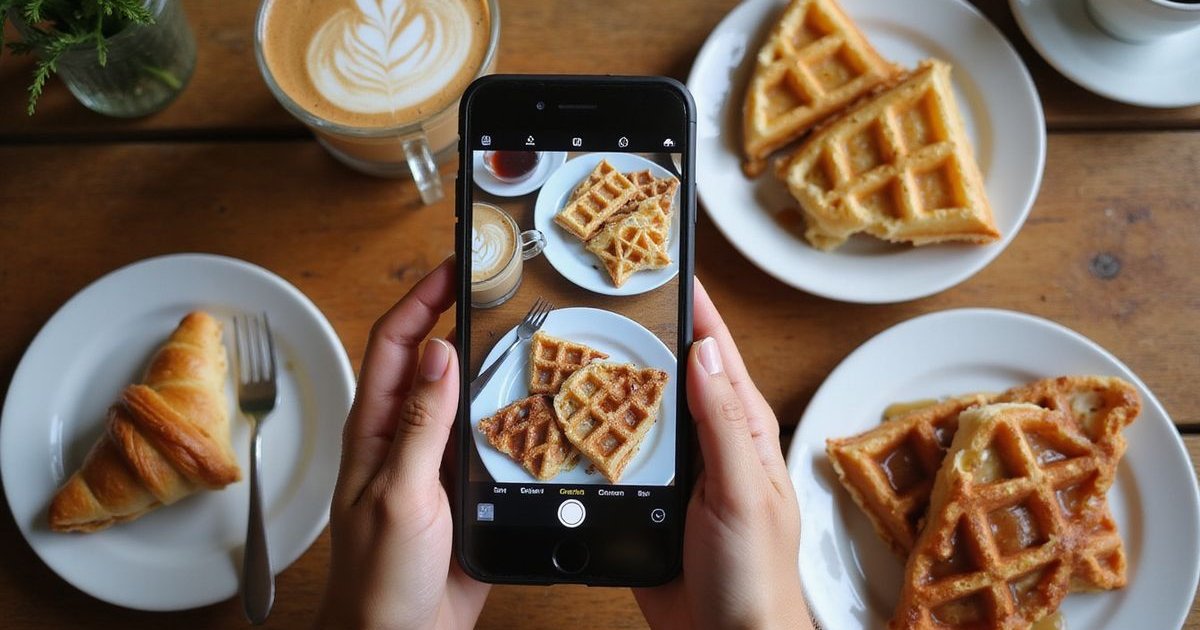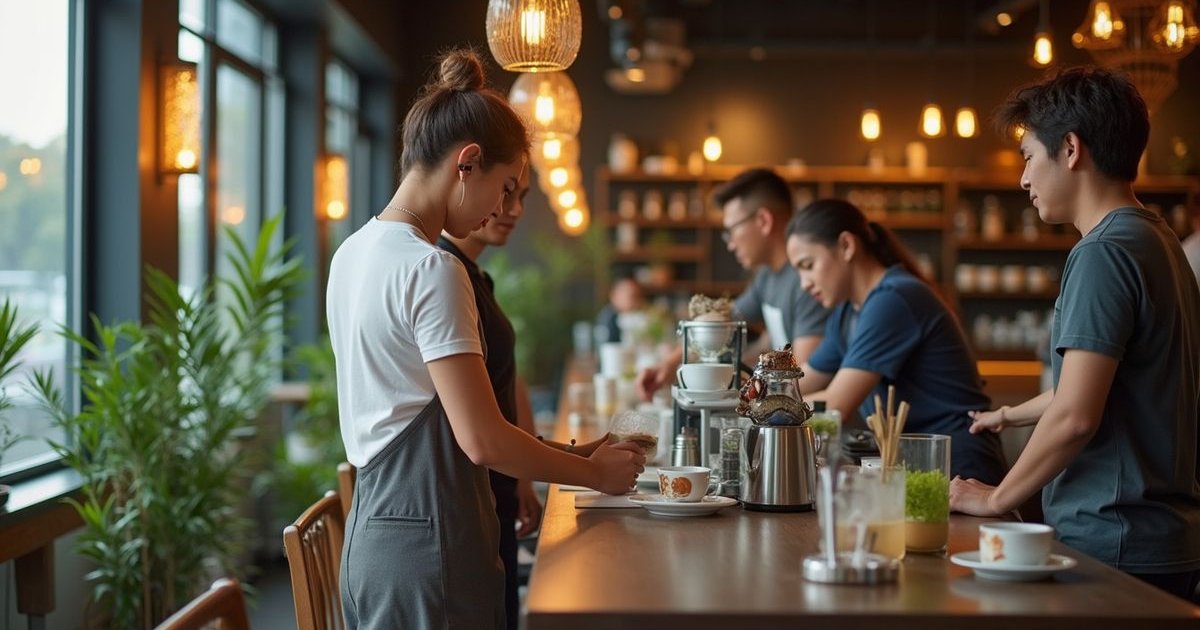
Every cafe operates on a set of silent agreements. We know that mastering these norms creates a better atmosphere for everyone involved.
Understanding Malaysian cafe etiquette goes beyond just saying “please” and “thank you.” It defines the difference between being a welcome regular and an accidental nuisance.
We have spent years observing the shift from traditional kopitiams to the modern aesthetic coffee scene. This guide breaks down exactly how to navigate these spaces with confidence. At Bubbs & Bites, we pride ourselves on creating a welcoming atmosphere—learn more about our story.
Arrival and Seating Protocols
The Self-Seating vs. Table Service Dynamic
We often see confusion right at the entrance of bustling cafes in Kuala Lumpur or Penang. Signs are usually small or missing entirely.
Most modern Malaysian cafes follow a “find your table first” rule. You secure a spot, note the table number, and then proceed to the counter.
We suggest looking for menus on the counter as a clue. If stacks of menus are waiting by the register, it is almost certainly self-service.
Table Service Indicators:
- A “Please Wait to Be Seated” sign at the entrance.
- Staff making immediate eye contact and approaching you with menus.
- Set cutlery already arranged on the tables.
The “Chope” Culture
We acknowledge that the “chope” system—using a tissue packet or umbrella to reserve a seat—is a local institution. This practice originated in hawker centers and remains valid there.
However, high-end cafes operate differently. Placing a packet of tissues on a table at a specialty roaster in Bangsar might be ignored or moved by staff.
We recommend having one person stay at the table while another orders if you are in a group. Solo diners should ideally place a non-valuable item like a jacket or book to signal occupancy, rather than a phone.
Strategic Table Selection
We advise against occupying a four-person table if you are dining alone. Space is a premium commodity in popular spots like those in George Town’s heritage zone.
Communal tables are increasingly common in Malaysia. Sharing a long table with strangers is perfectly acceptable and often expected during peak weekend brunches.
Ordering and Menu Etiquette
Navigating the Counter
We appreciate customers who know what they want before reaching the register. The person behind you likely has a short lunch break.
QR code ordering is rapidly becoming the standard across Malaysia. Systems like StoreHub or Qashier allow you to order and pay directly from your phone.
We encourage you to scan the QR code immediately upon sitting down. This speeds up service and ensures your order enters the kitchen queue instantly.
Special Requests and Customization
We understand that dietary restrictions are important. Asking for oat milk or less sugar is standard practice.
However, asking a kitchen to fundamentally alter a dish causes significant delays. If a cafe specializes in spicy sambal pastas, asking for a non-spicy version might not even be possible if the paste is pre-prepped.
The “Halal” Consideration:
- Outside Food: Never bring outside food into a cafe, especially if the cafe is Halal-certified or Muslim-friendly.
- Birthday Cakes: If you plan to bring a birthday cake, call ahead to check their policy on outside food and potential “cakeage” fees.
- Alcohol: Be aware that many cafes are pork-free and alcohol-free to cater to the wider Malaysian demographic.
The Digital Nomad and Work Etiquette
The “Rent” You Pay in Coffee
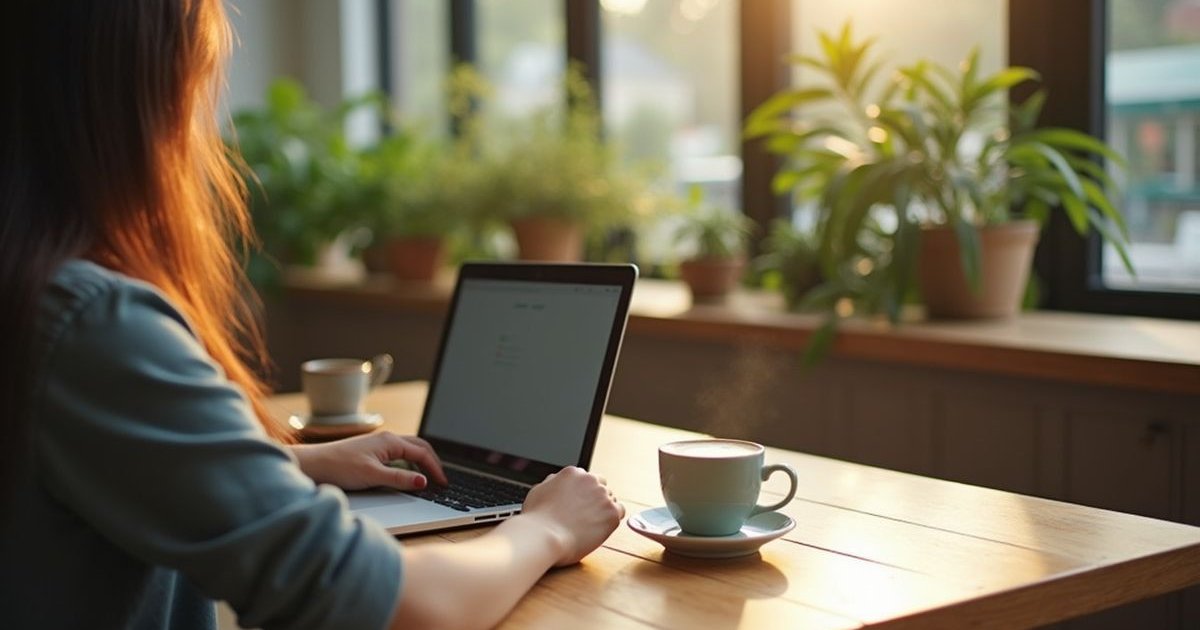
We love seeing people productive in our spaces, but a single RM12 latte does not buy five hours of office space. Cafe owners face rising overhead costs, particularly with electricity and commercial rent.
The Fair Usage Formula:
| Duration | Expected Order |
|---|---|
| 0 - 90 Mins | 1 Drink |
| 90 Mins - 3 Hours | 1 Drink + 1 Food Item (Pastry/Meal) |
| 3+ Hours | 2 Drinks + 1 Food Item |
Wi-Fi and Power Outlets
We advise checking for power outlets before you settle in. Some cafes intentionally cover outlets on weekends to discourage camping.
Wi-Fi speeds vary wildly. A 2024 report by Ookla puts Malaysia’s median fixed broadband speed around 112 Mbps, but public cafe networks are often slower and shared by dozens of devices.
We suggest using your own mobile hotspot for secure, high-speed work. It is safer for your data and reduces the load on the cafe’s bandwidth.
Pet Etiquette for Furry Companions
The “Manners Pants” Requirement
We specialize in finding spaces that welcome the whole family, including pets. Malaysia’s pet-friendly cafe scene has grown, particularly in hubs like Desa ParkCity, Jaya One, and select spots in Mont Kiara.
There is a specific rule many new pet owners miss. Indoor pet-friendly cafes almost always require dogs to wear diapers (often called “manners pants”).
We urge you to bring your own diapers. While some cafes sell them for RM2-RM5 per piece, having your own ensures the right fit and shows you are a responsible owner.
Leash and Furniture Rules
We enforce a strict “on-leash” policy in most establishments unless it is a designated play area. This keeps interactions safe between different temperaments.
Pet Etiquette Checklist:
- Furniture: Do not place pets directly on human chairs or tables. Bring a mat or use designated pet furniture.
- Feeding: Do not feed your pet from the cafe’s human tableware. Ask for a disposable cup or bring a travel bowl.
- Interaction: Always ask before letting your pet approach another table. Not everyone is comfortable with animals, even in pet-friendly zones.
Payment and Tipping Culture
The Cashless Revolution
We rarely see cash transactions dominating in urban cafes anymore. DuitNow QR is the undisputed king of payments in Malaysia.
Most vendors prefer this method over credit cards for small amounts because of lower merchant fees. Ensure your bank app or e-wallet (like TnG eWallet or GrabPay) is loaded and ready.
We still recommend carrying small cash notes. Some smaller, aesthetic roadside stalls or pop-ups might not have card terminals.
Demystifying the “Service Charge”
We often hear confusion regarding the 10% charge on bills. It is crucial to distinguish between government tax and service fees.
Breakdown of Cafe Charges:
| Item on Bill | Rate | Who Gets It? | Mandatory? |
|---|---|---|---|
| SST (Sales & Service Tax) | 6% | The Government | Yes (Legal Tax) |
| Service Charge | 10% | The Establishment | Yes (If stated) |
| Tipping | Voluntary | The Staff | No |
Tipping Guidelines
We view tipping in Malaysia as a gesture of appreciation rather than an obligation. The 10% service charge technically covers the service element.
However, leaving small change or rounding up the bill is a kind gesture. If the service was exceptional, leaving RM5 or RM10 cash directly on the table ensures the server actually receives it.
Conclusion
Mastering cafe etiquette is about blending awareness with courtesy. Your behavior dictates the energy of the space around you.
We believe that following these simple guidelines ensures you are the customer every barista is happy to see walk through the door. Enjoy your coffee, respect the space, and the culture will thrive.